

 By
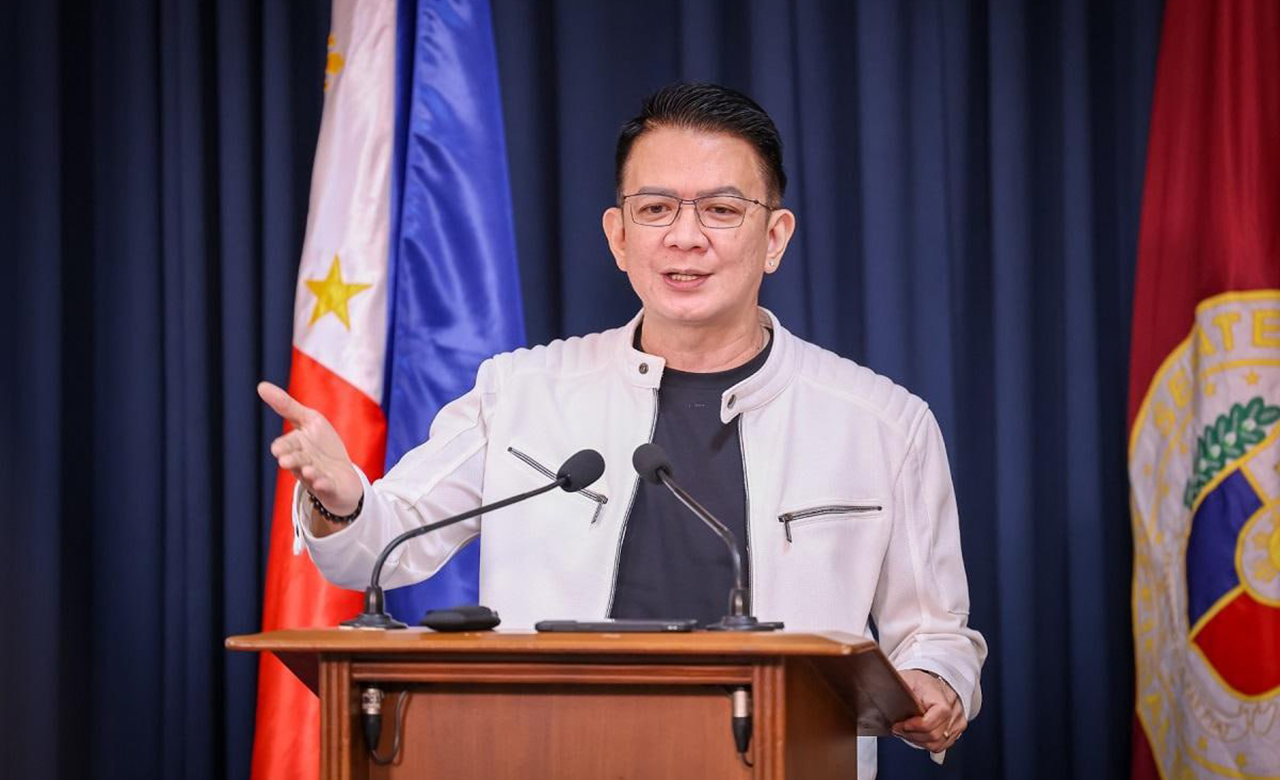
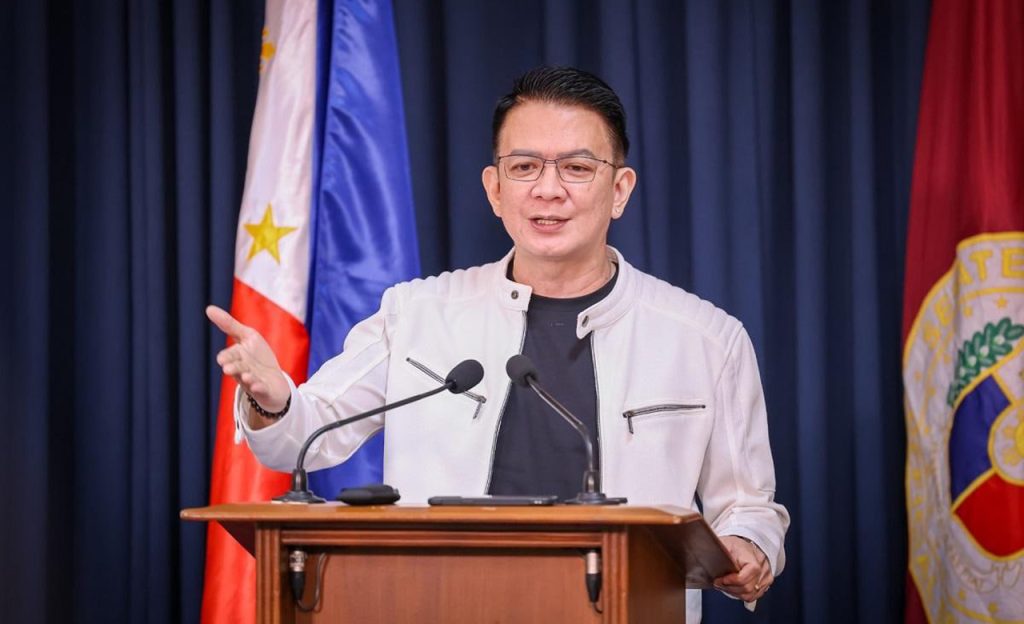
By In a media briefing at the Senate, Escudero acknowledged that while he remains the current Senate President by rule, the position is not permanent and could change depending on the collective decision of his fellow senators once the new Congress convenes.
“Sa dulo, ang magpapasya pa rin kung sino ang uupong Senate President ay ang mayorya ng Senado,” Escudero said. “Ayon sa mga patakaran ng Senado, ang kasalukuyang pangulo ay mananatili sa puwesto kung hindi siya graduate, at mananatili iyon maliban na lamang kung may mayoryang boto para sa iba pagbalik ng sesyon.”
Continuity or Change in Senate Leadership?
Escudero’s statement comes amid growing interest and political speculation over leadership transitions following the 2025 midterm polls, which may alter the composition and political leanings within the Senate.
Having assumed the Senate presidency in 2024 after a leadership shakeup, Escudero has since led the chamber through several key legislative milestones, including budget deliberations, electoral reforms, and oversight hearings on controversial national issues. His calm demeanor and reputation as a seasoned legislator have been lauded by many colleagues.
However, with new senators joining the ranks and potential shifts in party alliances, questions have emerged regarding the Senate’s next leadership configuration.
Under Senate rules, a sitting Senate President who is not term-limited — or who has not “graduated,” in legislative terms — remains in office when Congress transitions, unless a majority of senators vote to elect a new leader when sessions resume.
Eye on the Numbers
Political observers note that the upcoming Senate session could be marked by intense lobbying and negotiations, especially if power blocs within the chamber seek to install a new Senate President. At least 13 votes — a simple majority of the 24-member Senate — are required to elect a new leader.
Several names have been floated as potential contenders for the post should Escudero be unseated, although no formal challenge has been announced.
“The post of Senate President is never truly secure, as it’s always subject to the political will of the chamber. That’s part of the Senate’s independent nature,” said political analyst Roderick Ramirez of the University of the Philippines.
Ramirez added that Escudero’s pragmatic approach in acknowledging this reflects his deep understanding of the institution’s dynamics. “He knows it’s a position of trust and consensus, not entitlement.”
Escudero’s Record and Outlook
Escudero, a long-time public servant with decades of experience both in the House and Senate, has often positioned himself as an independent-minded leader who prioritizes legislative efficiency and institutional stability over partisan politics.
Since taking the Senate helm, he has pushed for transparent deliberations, reforms in legislative processes, and a non-confrontational approach in balancing relations with the executive branch.
Under his leadership, the Senate has conducted investigations into issues such as corruption in government procurement, oversight of major infrastructure projects, and the budget utilization of key agencies. He has also supported laws related to education, healthcare, and digital transformation.
Despite political noise surrounding potential changes, Escudero has maintained a calm and focused stance, stating that he remains ready to serve — or to step aside — depending on the will of the majority.
“Kung may papalit at ito’y naayon sa kagustuhan ng mayorya, bukas ang aking loob,” he said. “Wala po akong kapit o pangangailangan na hawakan ito kung iba na ang nais ng Senado.”
Next Steps
The Senate is expected to resume sessions shortly after the official proclamation of winning senators from the 2025 midterm elections. At that point, internal caucuses and alignments will likely take place, setting the stage for the election of officers — including the Senate President, Majority Leader, and various committee chairs.
Whether Escudero retains his post or steps down in favor of another senator, his statement underscores a key tenet of the Senate’s democratic nature: that its leadership lies squarely in the hands of its members — and ultimately, the people they represent.
As political realignments begin to take shape in the coming weeks, all eyes will be on the upper chamber to see whether continuity or change will define the next chapter of the 20th Congress.


